A hyperscale data center is a large, highly scalable facility designed to process, store, and distribute enormous volumes of data. These facilities provide the computing [...]
What Is a Broad Security Assessment (and Why SMBs Need It)?
A Broad Security Assessment gives small and medium-sized businesses a clearer view of their overall cybersecurity posture. Rather than looking only for technical vulnerabilities, it [...]
Vulnerability management is the ongoing process of identifying, assessing, prioritizing, fixing, and monitoring security weaknesses across an organization’s IT environment. These weaknesses may exist in [...]
Privilege escalation is a cybersecurity attack technique where an attacker gains more access than they are authorized to have. In many cases, the attacker starts [...]
Ransomware is a type of malicious software that blocks access to systems or data, most often by encrypting files, and then demands payment to restore [...]
A data breach is a security incident where sensitive, confidential, or protected information is accessed, exposed, stolen, or used without authorization. This can involve personal [...]
Cyber hygiene refers to the routine actions a business takes to keep systems secure and reduce cybersecurity risks. For small and medium-sized enterprises (SMEs), cyber [...]
Security controls are security measures used to protect computer systems, network devices, software assets, and electronic data from cyber threats and other external threats. In [...]
In IT, network topology refers to the physical and logical arrangement of a computer network. It describes how network nodes, network devices, and network interfaces [...]
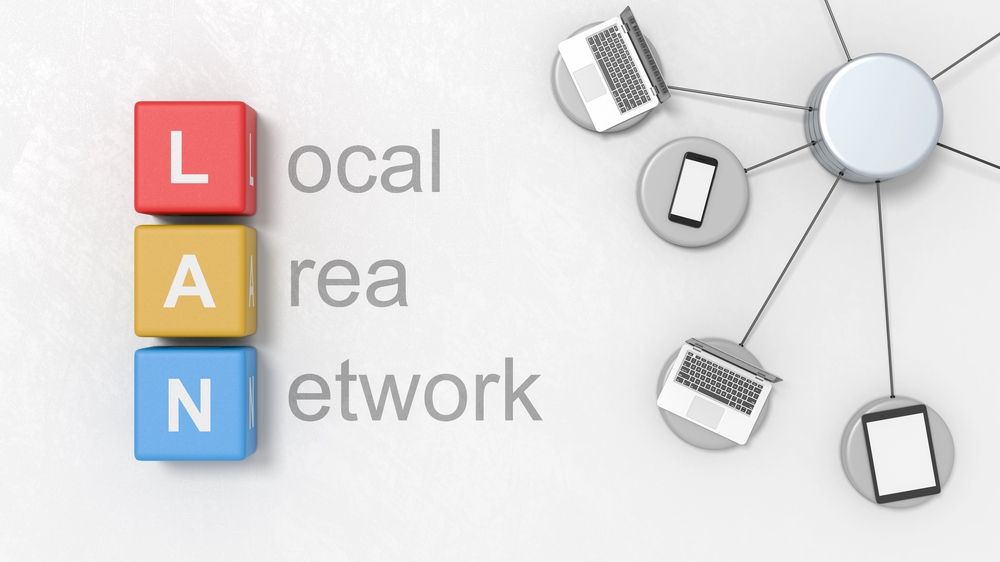
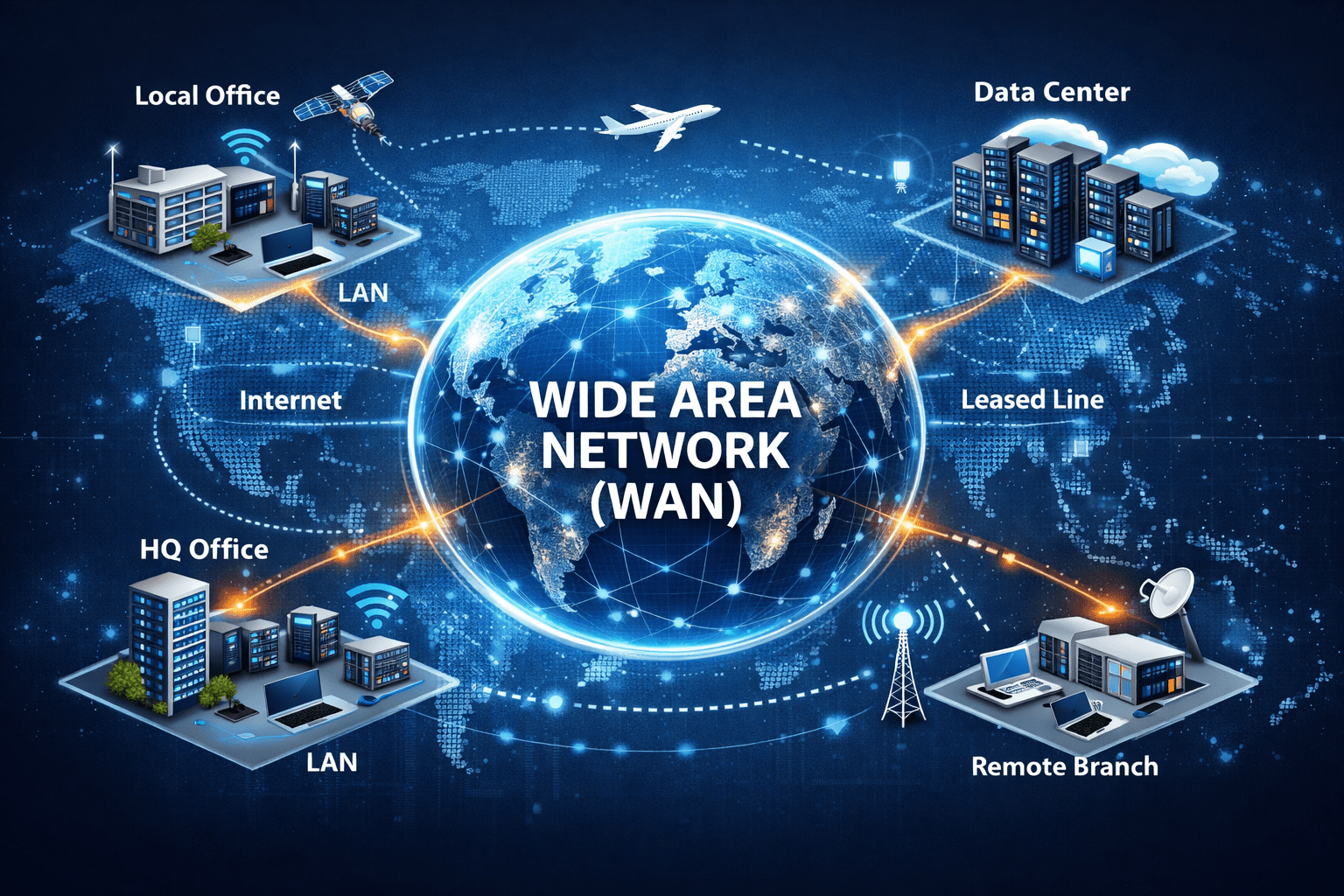
A wide area network (WAN) is a data network that connects local area networks (LANs) across cities, countries, or even the world. In simple terms, [...]
A Wi-Fi heatmap is a color-coded map generated from a Wi-Fi survey. Wi-Fi heatmaps are a key tool in Wi-Fi network design, helping engineers plan [...]
Waterfall project management is a traditional project management approach that plans and executes work in sequential phases. It is widely used in project management for [...]
Agile project management is a flexible, iterative approach to delivering work in small, valuable increments. It emphasizes customer collaboration, rapid feedback, and adaptability to changing [...]
Penetration testing, often referred to as pen testing, is a type of cybersecurity assessment in which ethical hackers simulate real-world attacks on a computer system, [...]
A vulnerability assessment is a systematic process of identifying, analyzing, and prioritizing security vulnerabilities in an organization’s information systems, including web applications, operating systems, network [...]
Remote Monitoring and Management (RMM) refers to the use of specialized software tools to remotely monitor, control, and support IT systems and connected devices across [...]
What does ITAM stand for? ITAM is short for Information Technology Asset Management—a strategic practice that enables organizations to manage, track, and optimize all their [...]
What is patch management? At its core, patch management is the structured process of identifying, acquiring, testing, and applying software updates commonly known as patches [...]
What is endpoint management? It’s a critical IT discipline focused on monitoring, managing, and securing all endpoint devices—from desktop computers and laptops to mobile devices [...]
A Service Level Agreement (SLA) in IT is a documented set of service and support commitments between a service provider and a client. It outlines [...]
User onboarding and user offboarding are two pivotal stages in the customer lifecycle, especially for SaaS companies aiming to deliver a seamless, efficient, and satisfying [...]
What Is the Information Technology Infrastructure Library (ITIL)?
The Information Technology Infrastructure Library (ITIL) is a globally recognized framework for managing and delivering IT services effectively. ITIL provides a structured set of best [...]
Business continuity planning (BCP) is a proactive process that helps organizations prepare for potential disruptions and ensure the continuity of essential operations. These disruptions can [...]
Change management is a structured approach to planning, communicating, implementing, and sustaining change within an organization. Change can involve people, processes, technology, policies, or day-to-day [...]
An Intrusion Detection System (IDS) is a cybersecurity solution designed to monitor network traffic, system activities, and applications for malicious activities or policy violations. Its [...]
Multifactor Authentication (MFA) is a security process that requires users to provide two or more verification factors to gain access to an application, account, or [...]
Data Loss Prevention (DLP) refers to a set of strategies, tools, and processes that organizations use to prevent sensitive information from being accidentally or maliciously [...]